
Diamond Setting
Careful setting of diamonds into suitable jewelry designs.
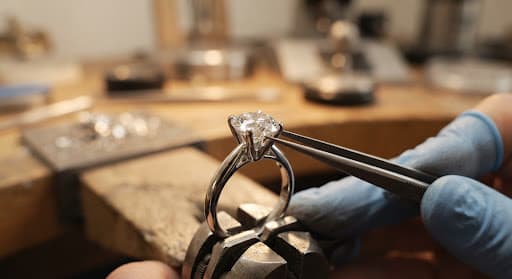
Stone Setting
From loose diamonds and gemstones to worn or damaged settings, professional stone setting helps keep each stone secure, aligned, and beautifully presented.
Send us clear photos of your jewelry or loose stone for an initial discussion.
A beautiful gemstone relies on its setting for security, alignment, and presentation. Over time, prongs can wear, stones can loosen, and settings can become damaged.
Each piece should be carefully inspected before deciding whether the stone needs tightening, resetting, repair, or a new setting.
Have Your Setting AssessedCareful setting of diamonds into suitable jewelry designs.
Professional setting for gemstones such as emeralds, rubies, sapphires, and other stones.
Setting a stone you already have into a ring or piece designed to hold it.
Reset an existing stone when its original setting has become worn, damaged, or unsuitable.
Assess and secure stones that have started moving within their setting.
Repair worn or damaged prongs where appropriate to help secure the stone.
Assess jewelry with a missing stone and discuss suitable replacement options where possible.
A careful look at security, alignment, and wear — even when nothing feels obviously wrong.
If something feels different, having the setting inspected early can help identify wear before the stone becomes more vulnerable.
Ask Us To Check Your SettingDiamond setting requires careful attention to security, symmetry, height, and presentation.
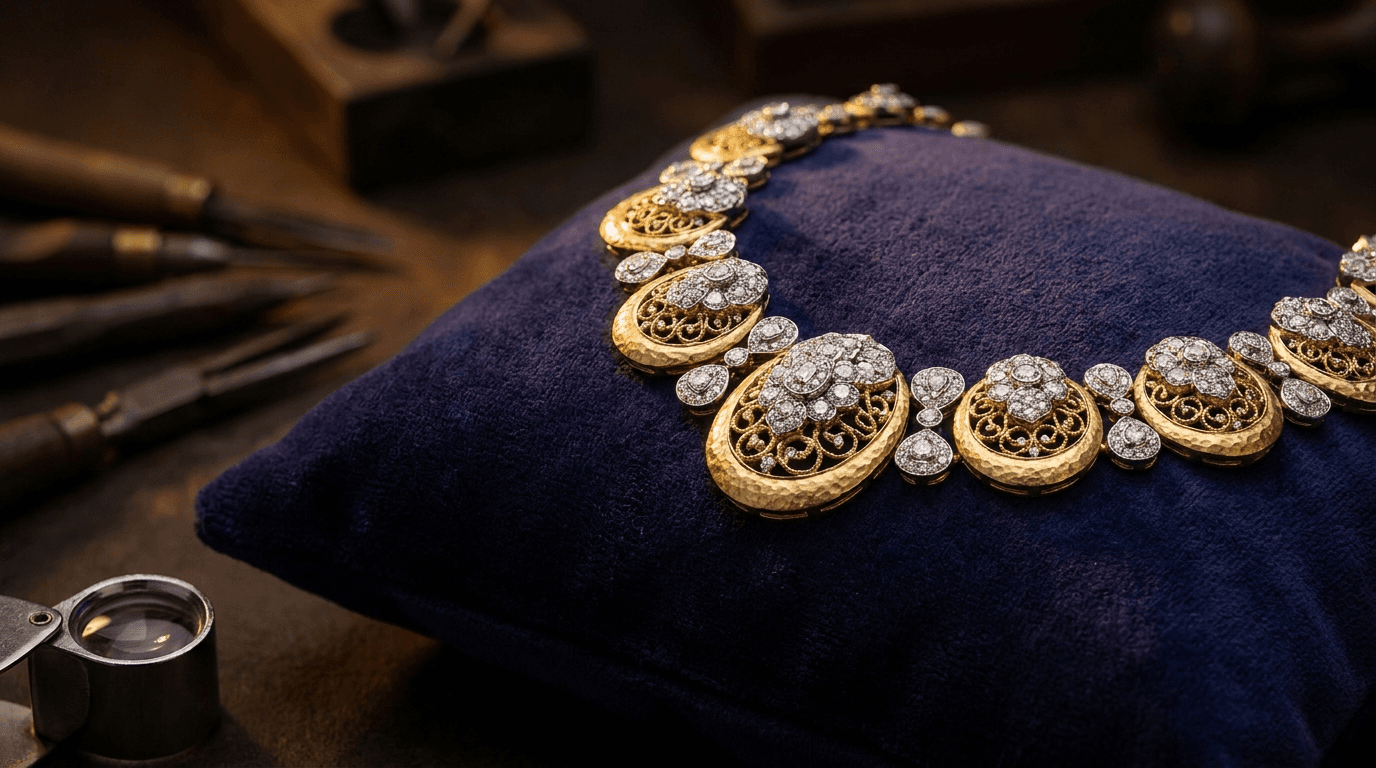
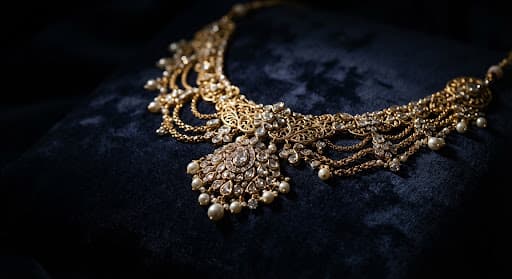
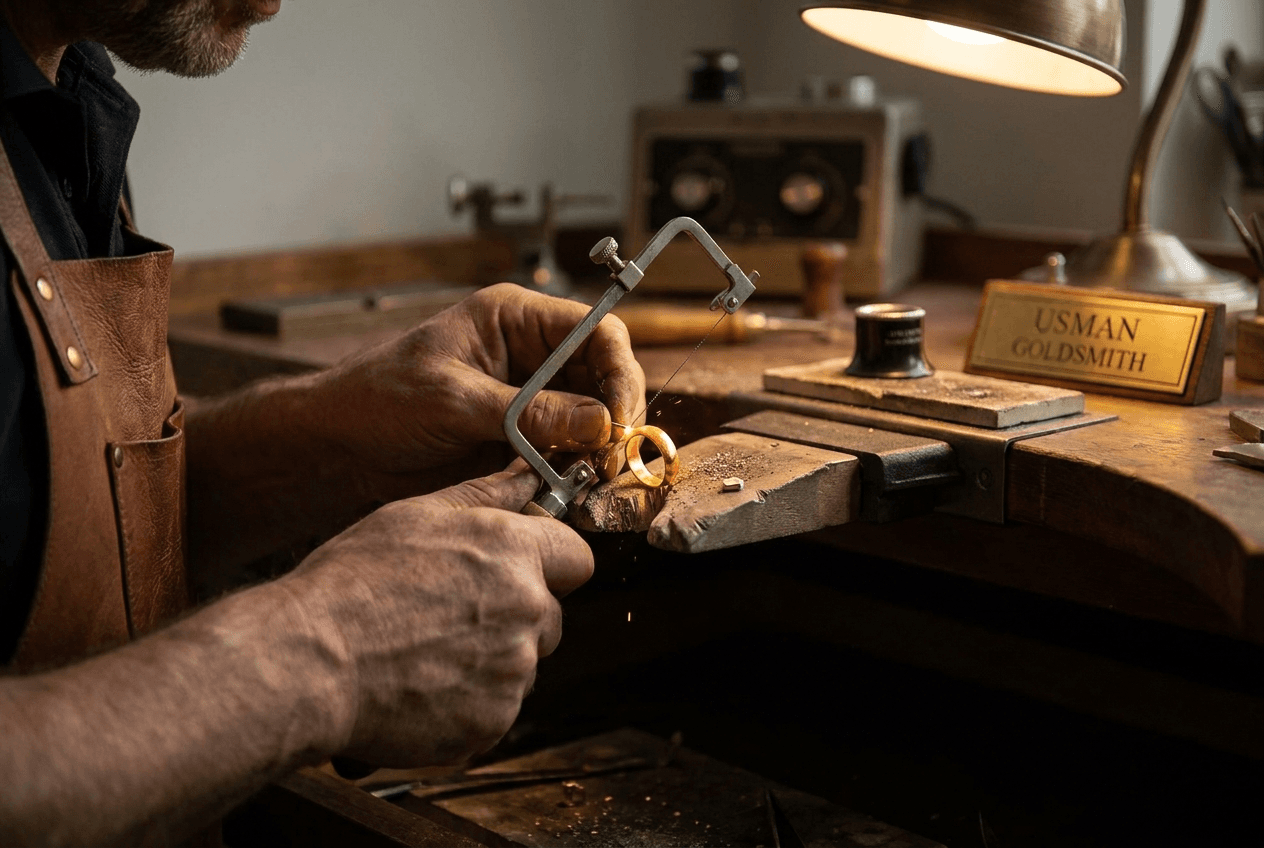
Different gemstones can require different handling due to their shape, design, condition, and characteristics. The jewelry and stone should be inspected before setting work begins.
Ask About Gemstone Setting
These are general visual examples. The right style depends on the jewelry and the stone, and is confirmed after assessment.
Metal claws hold the stone while allowing light around it.
A rim of metal surrounds the stone for a clean, protected look.
Small stones sit closely together across the band or surface.
A ring of smaller stones frames a central gem.
Stones sit in a groove between two walls of metal.
Several stones are grouped to read as one composed form.
A single stone is the focus of the design.
Prongs can wear down through everyday use. If they become thin, bent, damaged, or uneven, the stone may need professional inspection.
If a stone has been lost, we can inspect the jewelry and discuss what type, shape, size, and appearance may be suitable for the existing setting. An exact replacement is not always available.
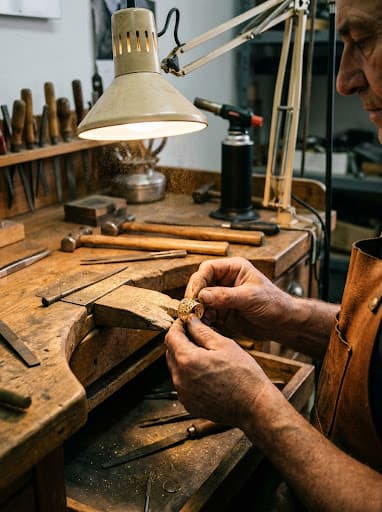
Empty Setting
Stone Selection
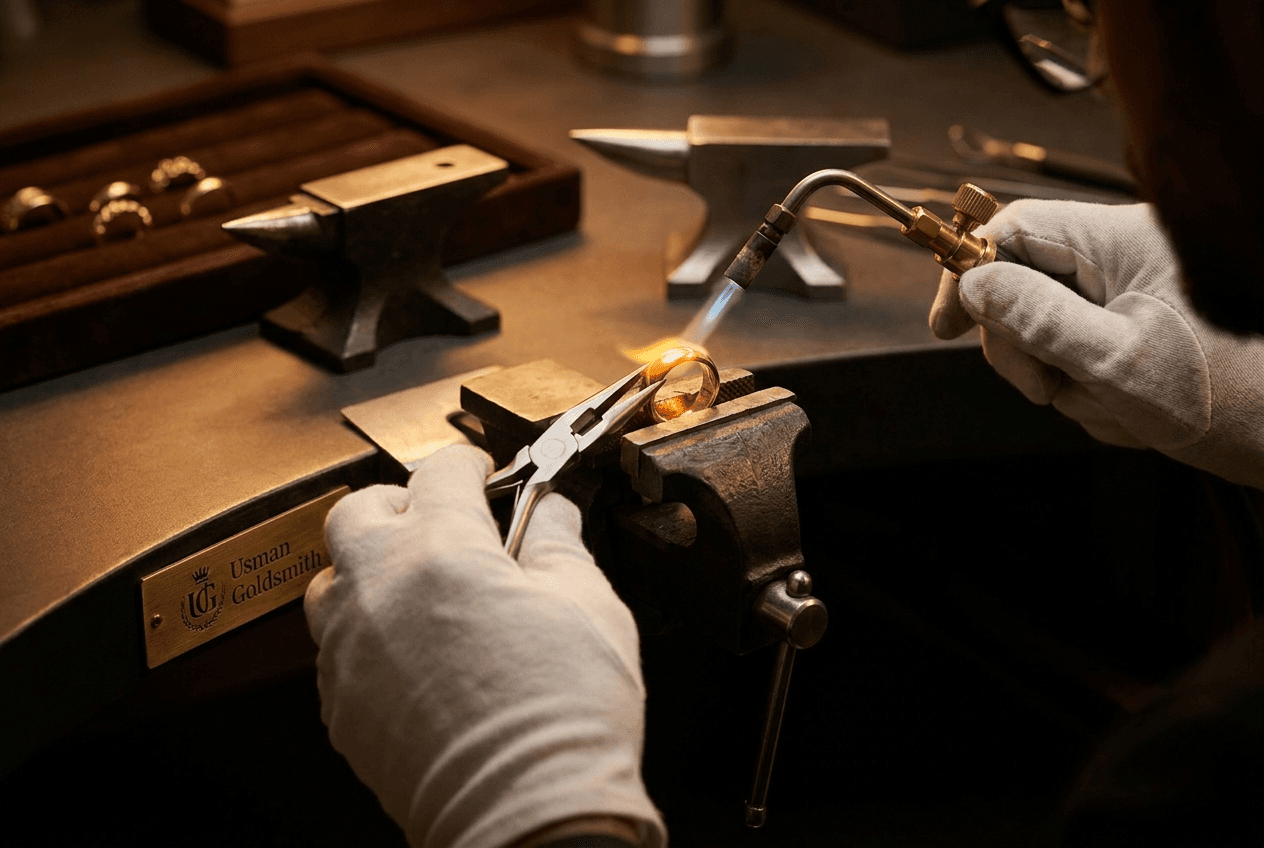
Setting
Finished Piece
Engagement rings are worn frequently and their settings can experience years of everyday wear. Periodic inspection can help identify loose stones, worn prongs, or setting damage.
Have Your Engagement Ring CheckedFor a new custom piece, the gemstone and setting can be considered together so the final jewelry feels balanced, secure, and personal.

Inspect the jewelry, gemstone, setting, and existing condition.
Discuss whether the stone needs setting, tightening, repair, resetting, or replacement.
The stone is carefully positioned and secured using an appropriate method for the piece.
Check alignment, security, appearance, and finishing.

Stone setting is measured in details most people never notice — until they matter.
Loose Stone
Damaged Prong
Missing Stone
Older Setting
Movement, a faint rattle, an uneven appearance, or a prong that looks worn can all be signs. If something feels different, the setting should be inspected.
In many cases, yes. The diamond and the jewelry should both be assessed so the setting approach suits the piece.
Often, yes. Stones you already have can be considered for setting or resetting after inspection.
We can inspect the jewelry and discuss what type, shape, size, and appearance may be suitable. An exact replacement is not always available.
Worn, bent, or damaged prongs can often be repaired or retipped where the piece allows.
In many cases, an existing stone can be considered for a new setting after assessment of the stone and the intended design.
Yes. Diamond setting, inspection, and resetting can be discussed as part of a repair or a new piece.
Yes. Colored gemstones can be considered for setting or repair after we have seen the stone and the jewelry.
Often, yes. The right approach depends on the setting style, the stone, and the condition of the piece.
Yes. Periodic inspection can help identify wear before a stone becomes more vulnerable.
Timing and pricing depend on the jewelry, gemstone, setting, and work required.
Timing and pricing depend on the jewelry, gemstone, setting, and work required. Each piece should be assessed before confirming the best setting approach.
Yes. Clear images of the jewelry, gemstone, and setting help us begin the conversation.
Send clear images of the jewelry, gemstone, and setting and tell us what you've noticed. We'll help you understand the next step.
Helpful Photos
Stone Setting
Whether you're setting a new gemstone, repairing worn prongs, or checking a stone that feels loose, speak with us about professional stone setting.